
More Information
Submitted: July 28, 2026 | Accepted: August 03, 2026 | Published: August 04, 2026
Citation: Molatta S, Niemeier A, El Hamriti M, Braun M, Noelker G, Schubert S, et al. Very Long-term Outcomes of Remote Magnetic Navigation-guided Catheter Ablation in Patients with Advanced Persistent Atrial Fibrillation. J Cardiol Cardiovasc Med. 2026; 11(4): 25-32. Available from:
https://dx.doi.org/10.29328/journal.jccm.1001227
DOI: 10.29328/journal.jccm.1001227
Copyright license: © 2026 Molatta S, et al. This is an open access article distributed under the Creative Commons Attribution License, which permits unrestricted use, distribution, and reproduction in any medium, provided the original work is properly cited.
Keywords: Atrial fibrillation; Catheter ablation; Long-term; Persistent atrial fibrillation; Remote magnetic navigation
Abbreviation: AAD: Antiarrhythmic Drug Therapy; AF: Strial Fibrillation; AT: Atrial Tachyarrhythmia; BMI: Body Mass Index; CAD: Coronary Arterial Diseases; CFAE: Complex Fractionated Atrial Electrograms; CRP: C-Reactive Protein; CRT-D: Cardiac Resynchronization Therapy Defibrillators; CTI: Cavotricuspid Isthmus; DM: Diabetes Mellitus; GFR: Glomerular Filtration Rate; FAT: Focal Atrial Tachycardia; HF: Heart Failure; ICD: Implantable Cardioverter-Defibrillators; ICE: Intracardiac Echocardiography; LA: Left Atrial; LAT: Left Atrial Tachyarrhythmia; LsAF: Long-standing perAF; LVEF: Left Ventricular Ejection Fraction; OAC: Oral Anticoagulation; PE: Pericardial Effusion; perAF: Persistent AF; PM: Pacemakers; PV: Pulmonary Veins; PVI: Pulmonary Vein Isolation; Proc.: Procedure; pxAF: Paroxysmal AF; RA: Right Atrial; RAT: Right Atrial Tachyarrhythmia; Re-PVI: Repeat Pulmonary Vein Isolation; RF: Radiofrequency; RMN: Remote Magnetic Navigation

Very Long-term Outcomes of Remote Magnetic Navigation-guided Catheter Ablation in Patients with Advanced Persistent Atrial Fibrillation
Stephan Molatta1,2*#, Annika Niemeier2#, Mustapha El Hamriti2, Martin Braun2, Georg Noelker3, Stephan Schubert1 and Philipp Sommer2
1Ruhr-Universität Bochum, Center for Congenital Heart Disease, Herz- und Diabeteszentrum NRW, Bad Oeynhausen, Germany
2Ruhr-Universität Bochum, Department of Electrophysiology, Herz- und Diabeteszentrum NRW, Bad Oeynhausen, Germany
3Christian Clinic Unna, Unna, Germany
#joint first authors
*Address for Correspondence: Dr. Stephan Molatta, Herz- und Diabeteszentrum NRW, Georgstr. 11, 32545 Bad Oeynhausen, Germany, Email: [email protected]
Background: Remote magnetic navigation (RMN) enables precise three-dimensional catheter control with stable contact force, potentially enhancing safety and lesion quality. Previous studies demonstrated reduced radiation exposure and comparable efficacy to manual navigation, primarily in paroxysmal atrial fibrillation (pxAF). Evidence in persistent AF (perAF), particularly advanced stages, remains scarce. This study presents the first very long-term outcomes of RMN-guided ablation in perAF.
Methods: 383 patients were retrospectively analyzed (mean age 62.6 ± 9.1 years; 85.4% perAF, 14.6% pxAF) who underwent RMN-guided pulmonary vein isolation (PVI) with additional linear lesions as indicated (2009–2019). The cohort represented advanced atrial disease (85.4% persistent AF) with elevated CHA2DS2-VASc scores and frequent atrial tachyarrhythmias (AT); 96 repeat RMN procedures were additionally analyzed. Long-term success was defined as freedom from AF or AT recurrence beyond a 3-month blanking period. Survival and predictors were assessed using Kaplan–Meier and multivariable analyses.
Results: AF-free survival after the initial RMN procedure was 61.1%, 43.4%, 33.0%, 23.7%, and 18.0% at 12, 24, 36, 48, and 60 months, respectively. Freedom from any AT declined from 52.5% at 12 months to 11.5% at 60 months. Early recurrence during the blanking period strongly predicted long-term failure. Mean fluoroscopy and procedure times were 9.1 ± 10.1 minutes and 276 ± 84 minutes. Severe complications occurred in 5.0%.
Conclusion: Advanced persistent AF, RMN-guided ablation achieves modest long-term arrhythmia control with low complication rates. Early post-procedural AT recurrence is the strongest prognostic marker. RMN remains a feasible strategy for complex AF ablation and warrants further evaluation in high-risk populations.
Manual RF catheter ablation has become an established treatment for atrial fibrillation (AF) and has consistently demonstrated superiority over antiarrhythmic drug therapy in patients with both pxAF and perAF [1,2]. Nevertheless, achieving durable rhythm control remains particularly challenging in patients with persistent and long-standing perAF because progressive atrial remodeling, fibrosis, and the increasing contribution of non-pulmonary vein (PV) triggers substantially reduce procedural success [3–9]. Consequently, repeat ablation procedures are frequently required and may improve long-term rhythm outcomes, especially in patients with preserved cardiac function [3,6–8].
RMN (Niobe®, Stereotaxis, St. Louis, MO, USA) was developed to improve catheter stability, navigation precision, and operator safety during complex catheter ablation procedures [14–17]. Earlier studies consistently demonstrated efficacy comparable to conventional manual RF ablation while substantially reducing fluoroscopy exposure and operator radiation [3,4,18–25]. However, the landscape of AF ablation has evolved considerably with the widespread adoption of contact-force sensing catheters, high-power short-duration RF applications and, more recently, pulsed-field ablation [26–28]. Consequently, contemporary evaluation of RMN should no longer focus solely on comparisons with conventional manual RF ablation but rather on its role within this evolving technological environment.
Recent comparative studies have therefore shifted towards comparisons with contemporary contact-force guided RF ablation rather than conventional manual catheter navigation [29,30]. Although these studies confirmed the feasibility and safety of RMN, robust very long-term outcome data in patients with advanced persistent AF remain scarce. Likewise, pulsed-field ablation has emerged as a promising non-thermal energy source; however, long-term outcome data beyond five years are currently unavailable, particularly in advanced persistent AF populations [31,32].
Therefore, this study evaluates the very long-term clinical outcomes of RMN-guided catheter ablation in one of the largest single-center cohorts predominantly comprising patients with advanced persistent AF, thereby addressing an important evidence gap in contemporary AF ablation.
This retrospective single-center cohort study included 383 consecutive patients undergoing RMN-guided catheter ablation for AF at the Heart and Diabetes Center North Rhine-Westphalia (HDZ NRW) between 2009 and 2019. The study population was considered representative of an advanced persistent AF cohort because more than 85% of patients had persistent AF, exhibited a substantial comorbidity burden, and frequently required repeat procedures and adjunctive substrate modification beyond PVI.
Patients with implanted cardiac rhythm management devices were not excluded. Baseline data included CHA₂DS₂-VASc score, BMI, device implantation, AADs, OAC, renal function, and inflammatory markers.
Because of the retrospective study design, neither operators nor investigators performing follow-up assessments were blinded.
Electroanatomical mapping was performed using Carto 3® (Biosense Webster, Irvine, CA, USA) or EnSite NavX® (St. Jude Medical, St. Paul, MN, USA). Intraprocedural imaging predominantly relied on Dyna-CT® (82.5%), whereas preprocedural CT was available in 4.2% of patients [33]. Intracardiac echocardiography (AcuNav®, Siemens Healthineers) was routinely used to guide double transseptal puncture using a Brockenbrough® BRK1 needle (Medtronic) and Fast-Cath Swartz® SR0 sheath (St. Jude Medical) and to facilitate catheter positioning.
The Niobe® RMN system (Stereotaxis, St. Louis, MO, USA) employs two externally positioned permanent magnets that remotely align the magnetic elements incorporated into the distal catheter tip, thereby enabling highly precise catheter steering while catheter advancement is controlled via the V-CAS® system in conjunction with the V-Drive® and V-Loop® devices (34). Ablation catheters included Thermocool Navistar RMT® (Biosense Webster) and Trignum Flux® Gold (Biotronik, Berlin, Germany). Antral irrigated RF-PVI was performed with 40 W for max 120 s per site. The endpoint was complete PVI with bidirectional block.
Repeat procedures confirmed PVI, with re-PVI performed in case of reconnection. Additional lesions included complex fractionated atrial electrograms (CFAE), mitral isthmus line, roof line, and box lesions. Endpoints were PVI durability and block across ablation lines.
Heparin was given after transseptal puncture to maintain ACT ≥300 s. Puncture sites were closed by pressure bandage. Post-procedural care included 48 h monitoring and echocardiography. AADs were continued during the 3-month blanking period, then dependent on the CHA₂DS₂-VASc score.
Patients were routinely followed at 3, 6, and 12 months after ablation, followed by continued long-term clinical follow-up according to institutional routine. Long-term follow-up data were available for up to 60 months and included history, ECG, Holter, and device interrogation. The primary endpoint was freedom from documented AF or atrial tachyarrhythmia after completion of the 3-month blanking period. Secondary endpoints included procedural characteristics, complications, and predictors of arrhythmia recurrence.
Statistical analysis was performed using SPSS v28. Kaplan–Meier estimates were calculated for AF-free and AT-free survival. Predictors were evaluated by log-rank and multivariable testing. A p ≤ 0.05 was considered significant.
Overall, 383 consecutive patients underwent RMN-guided AF ablation and were included in the final analysis (mean age 62.6 ± 9.1 years; female-to-male ratio 1:3.1; BMI 28.8 kg/m² in women and 29.2 kg/m² in men, 85.4% perAF). Baseline characteristics confirmed an advanced atrial disease cohort, with 85.4% perAF, a substantial cardiovascular comorbidity burden (mean CHA₂DS₂-VASc score 2.23 ± 1.44), mild left atrial enlargement (mean LA diameter 46 ± 6 mm), and preserved left ventricular systolic function (LVEF 52.0 ± 6.5%). Detailed baseline characteristics are presented in Table 1.
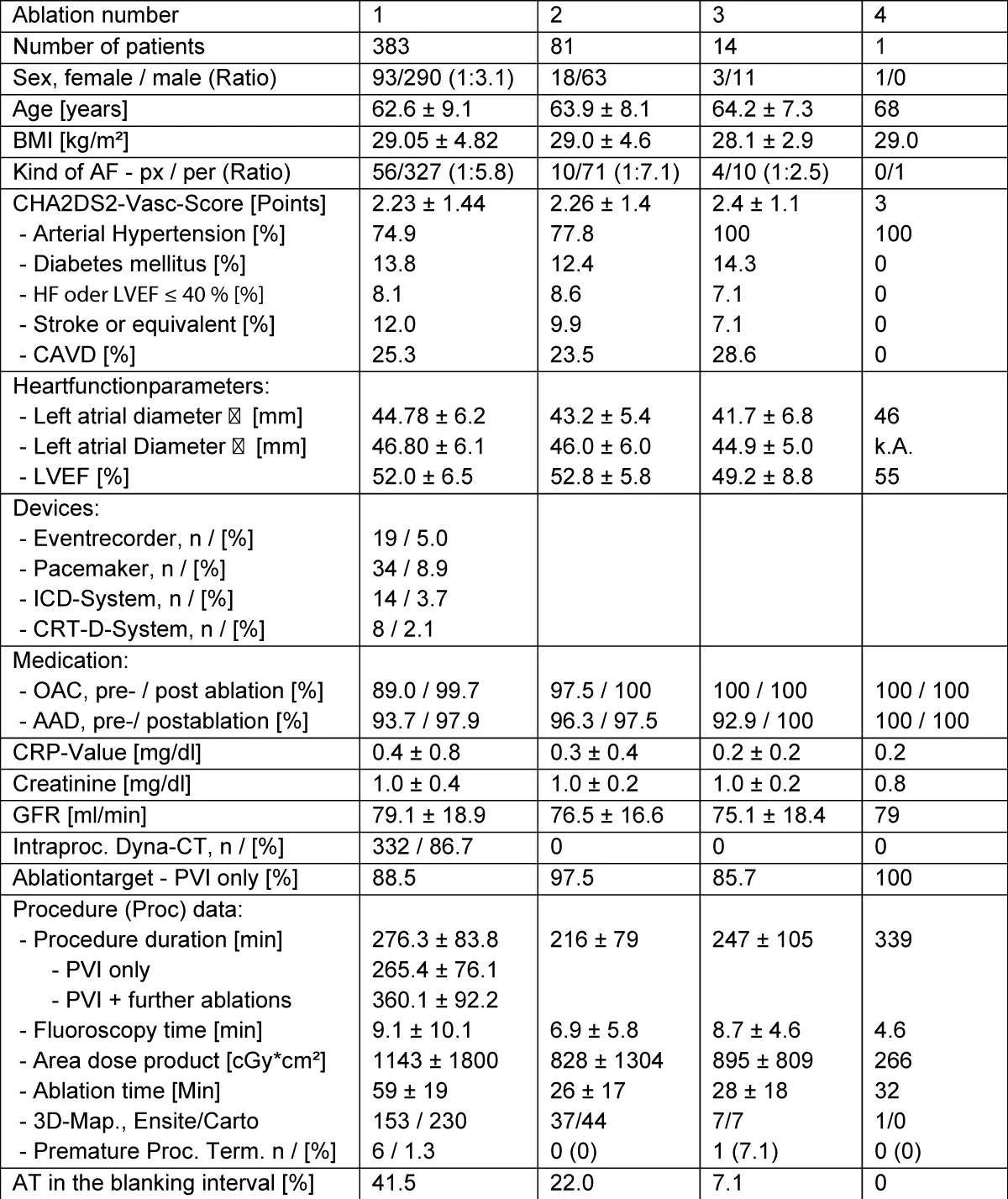
Table 1: Baseline Characteristics of the Study Population. Baseline demographic, clinical, echocardiographic, and procedural characteristics of the study cohort. The predominance of persistent AF and the substantial comorbidity burden are consistent with an advanced persistent AF population.
PVI alone was performed in 89% of patients, whereas adjunctive substrate modification included linear lesions, CFAE ablation, and focal atrial tachycardia ablation (Figure 3).
Mean procedure duration was 276 ± 84 min; fluoroscopy 9.1 ± 4.6 min; dose area product averaged 1143 cGy*cm² (Table 1). AF type did not significantly affect duration (pxAF 268 ± 97 vs. perAF 278 ± 81 min, p = 0.49). Additional ablation prolongs the procedure duration (360 ± 92 vs. 265 ± 76 min, p < 0.01) (Table 1). Mean ablation time was 3539 ± 957 s. Carto 3® was used in 60.0%, EnSite NavX® in 40.0% (Table 1).
Long-term outcomes
At 12, 24, 36, 48, and 60 months after the initial procedure, AF-free survival was 61.1%, 43.4%, 33.0%, 23.7%, and 18.0% (Figure 1). Freedom from any AT declined from 52.5% at 12 months to 11.5% at 60 months (Figure 1). AF represented the predominant recurrent arrhythmia, followed by atypical atrial flutter (Figure 3). Recurrence during the blanking period strongly predicted failure (p < 0.01) (Table 2) and occurred in 41.5%, mainly AF (76.9%) but also typical/atypical atrial flutter and right AT.
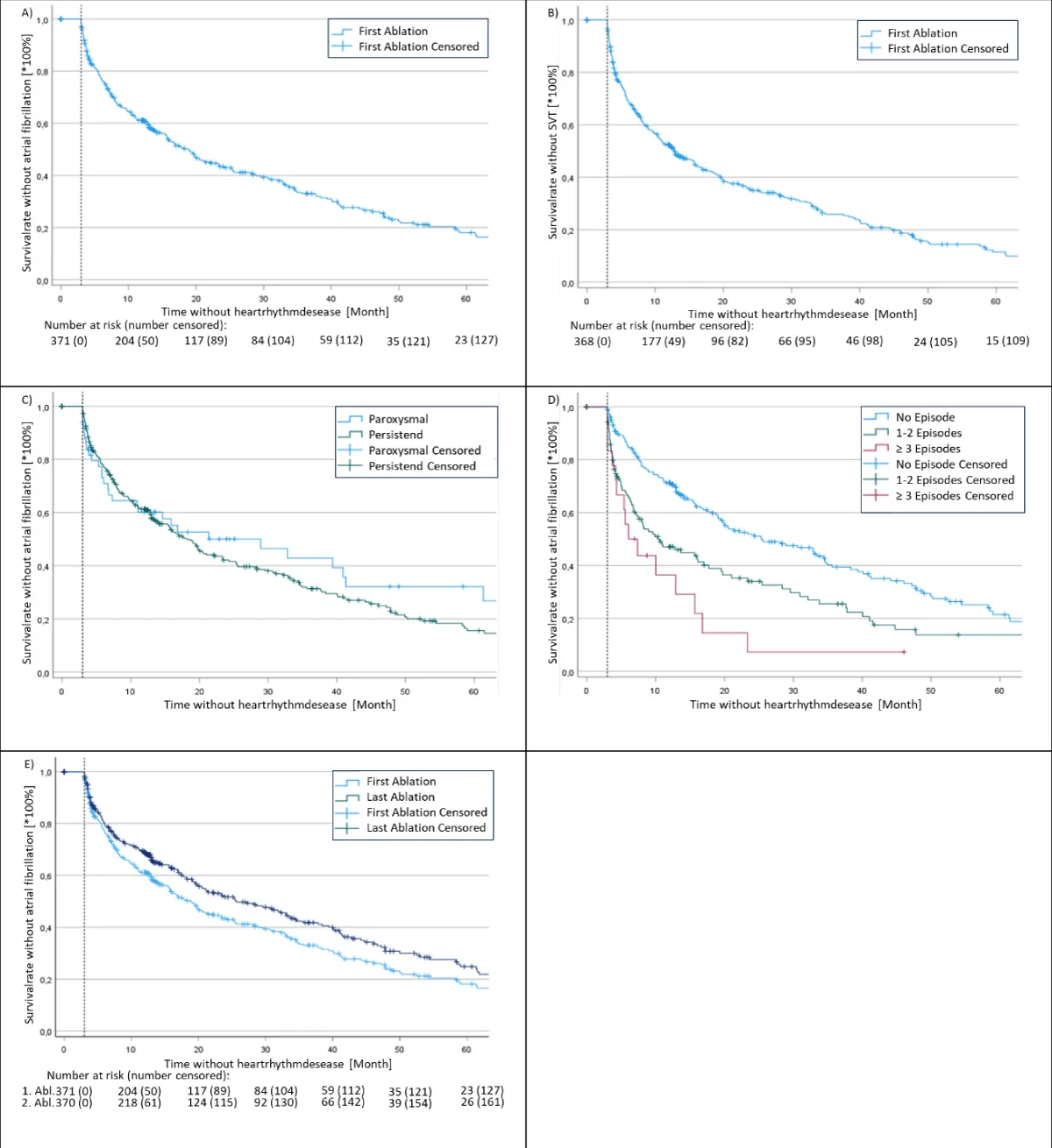
Figure 1: Kaplan–Meier estimates of arrhythmia-free survival following RMN-guided catheter ablation. (A) Freedom from atrial fibrillation (AF). (B) Freedom from supraventricular tachyarrhythmia (SVT). (C) Freedom from AF according to AF type (paroxysmal vs. persistent AF). (D) Freedom from AF stratified according to the number of previous electrical cardioversions (ECVs). (E) Effect of repeat RMN-guided ablation procedures on freedom from AF.
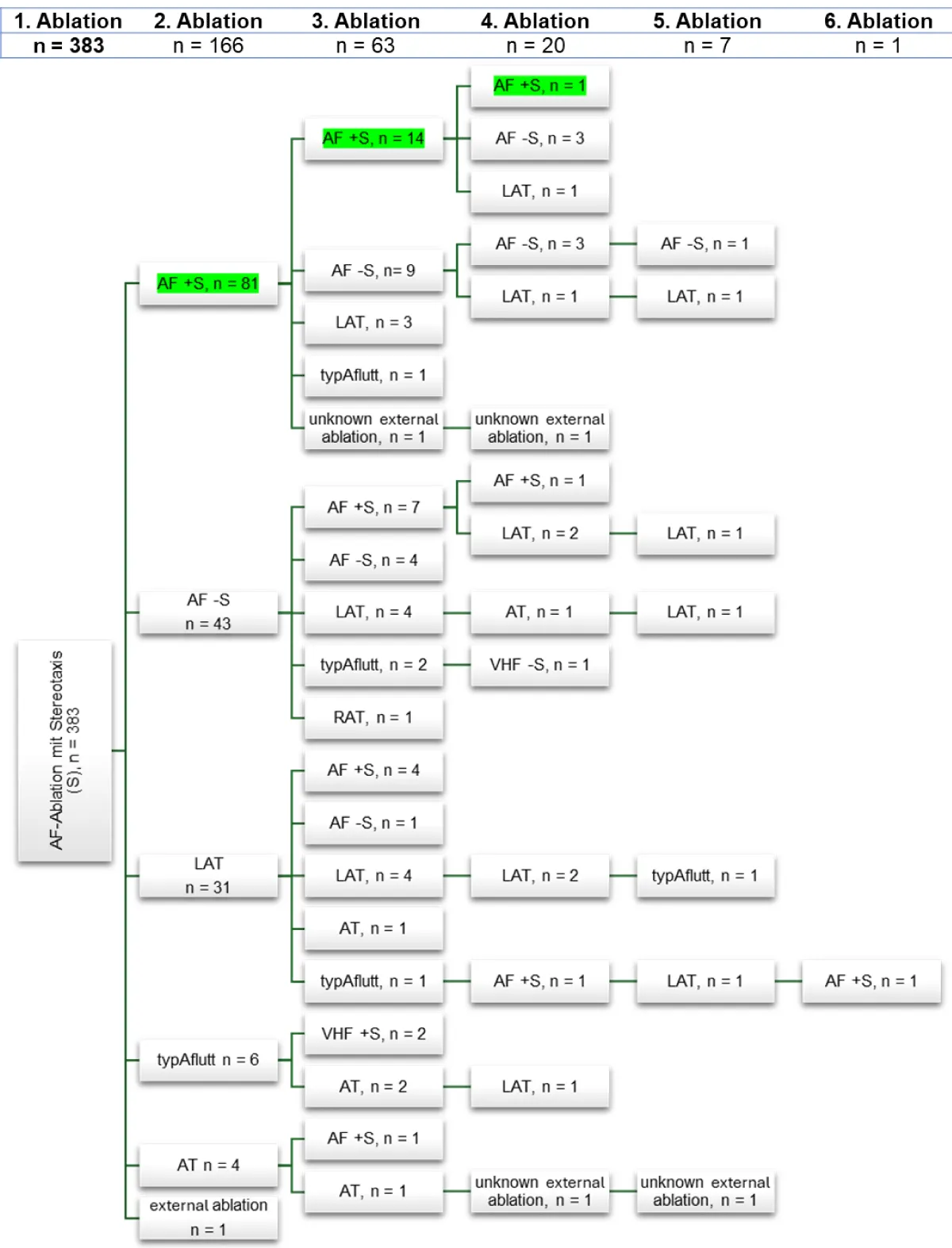
Figure 2: Distribution of repeat ablation procedures. Distribution of repeat catheter ablation procedures performed with (+S) or without (−S) remote magnetic navigation (RMN). Green shading indicates the most recent RMN-guided procedure for each patient.
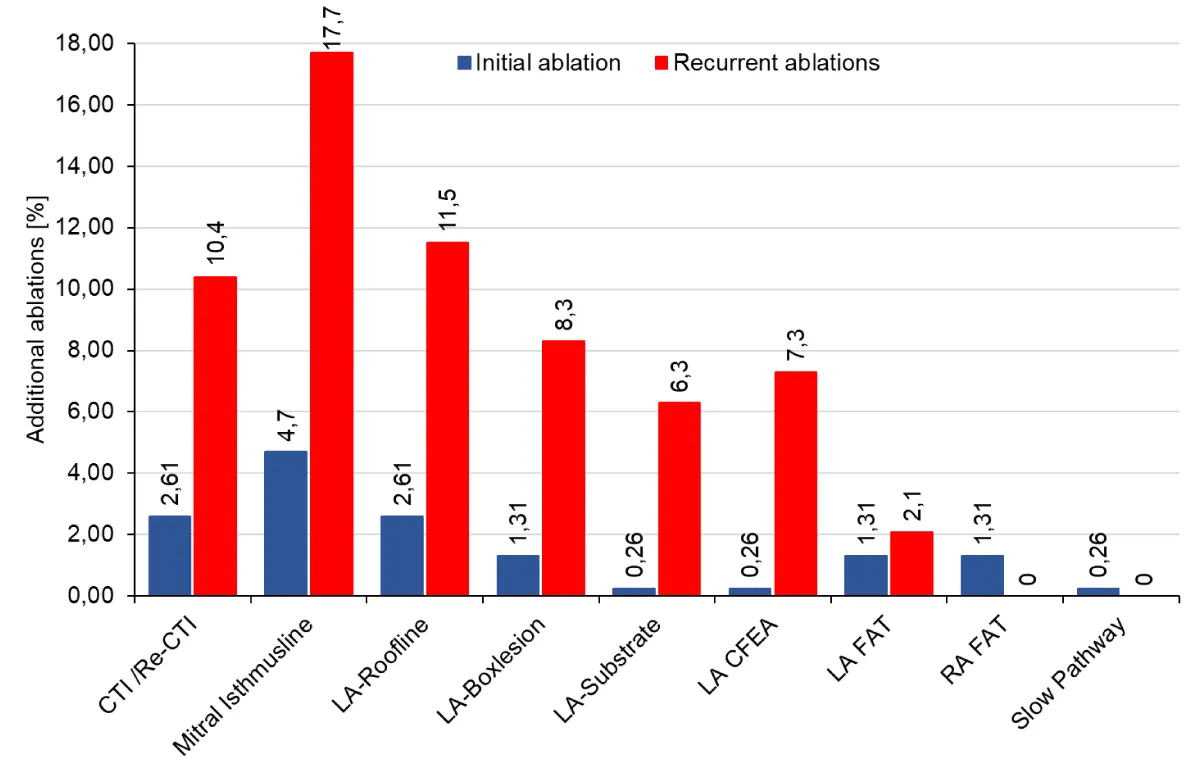
Figure 3: Roadmap for future research in AI-Based cardiac reporting.
Predictors of AT-free survival additionally included age (p = 0.047) and CHA₂DS₂-VASc (p = 0.044). No significant influence on AF recurrence-free survival was found for sex (p = 0.54), BMI (p = 0.41), age (p = 0.53), LA diameter (p = 0.60), CHA₂DS₂-VASc score (p = 0.60), or AF stage (p = 0.24). After 24 months, pxAF showed numerically higher recurrence-free survival (50%) vs. perAF (42%), without statistical significance (p = 0.24) (Table 2).
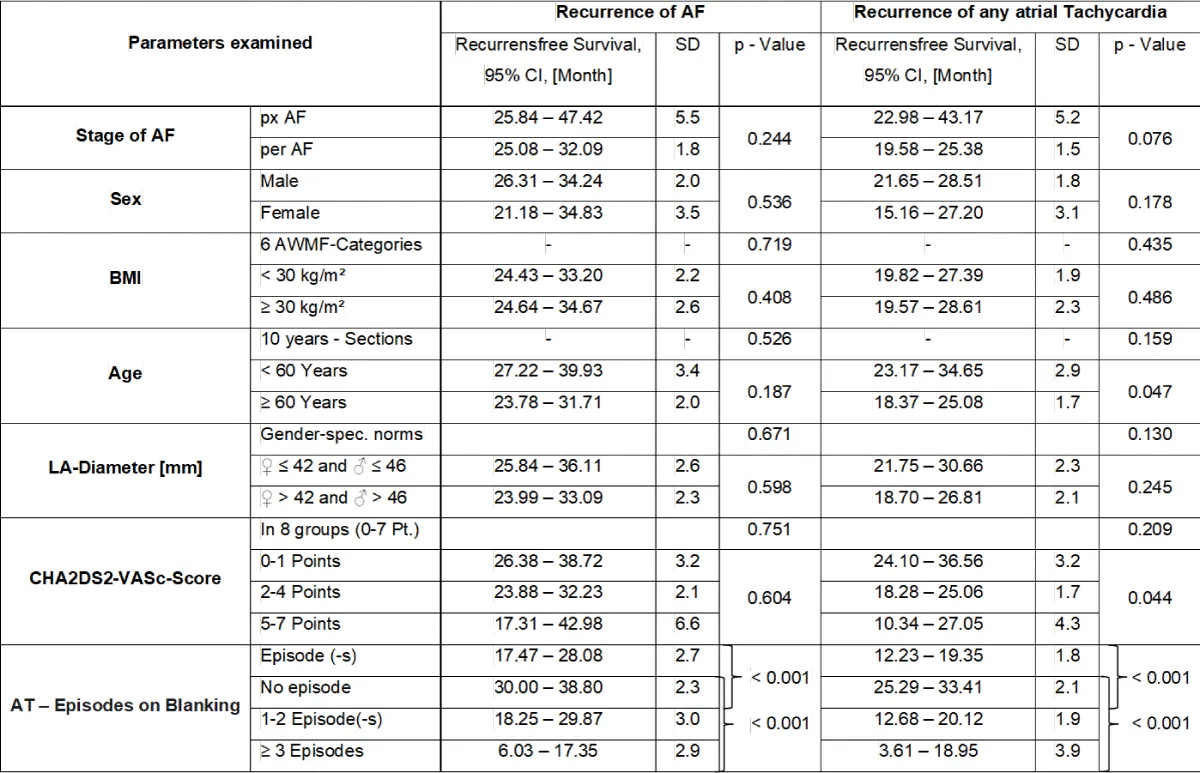
Table 2: Predictors of AF and AT Recurrence Following RMN-Guided Catheter Ablation Univariable and multivariable analyses of predictors of atrial fibrillation (AF) and atrial tachyarrhythmia (AT) recurrence following RMN-guided catheter ablation. Results are presented as hazard ratios (HRs) with 95% confidence intervals (CIs), where applicable.
Repeat ablations were mostly manually performed (Figure 2). RMN procedures (n = 96) were associated with more ATs involving different ablation targets (mitral isthmus 17.7%, roof line 11.5%, box lesion 8.3%, CFAE 7.3%, LA substrate 6.3%, LA focal AT 2.1%, CTI 10.4%) (Figure 3) and improved AF-free survival to 66.8%, 50.4%, 40.4%, 26.0%, and 22.7% at 12, 24, 36, 48, and 60 months, respectively (Figure 1). AT-free survival was 63.3%, 43.3%, 33.3%, 19.2%, and 16.0% (Figure 1).
Compared with initial ablation, multiple procedures improved AF-free (p = 0.022) and AT-free survival (p = 0.039) (Table 2).
Alternative targets were ablated more often at repeat than initial procedures (39.6% vs. 11.0%).
Procedure and fluoroscopy duration were significantly shorter in repeat compared with initial RMN ablations (p < 0.01 and p = 0.027, respectively). Compared with initial vs. final ablations, procedure duration, fluoroscopy, and area dose product were all significantly reduced (p < 0.01, p = 0.004, p < 0.01). Higher CHA₂DS₂-VASc scores were associated with AT recurrence, suggesting that increasing comorbidity burden primarily reflects a proarrhythmic substrate rather than AF recurrence alone (Table 2).
Post-ablation, 99.7% received OAC; 97.4% continued AADs (25% β-blocker monotherapy, 75% β-blocker plus another AAD).
Complications occurred in 5.0% peri-/postprocedural: pericardial effusion (1.0%), peri-/postprocedural stroke (1.3%), major groin bleeding (1.7%), AV fistula (0.4%), retroperitoneal hematoma (0.2%), ICD lead dislocation (0.2%), AV block (0.2%). No mortality, atrioesophageal fistula, PV stenosis, or phrenic nerve injury occurred.
Principal findings
To our knowledge, this study provides one of the longest follow-up analyses of RMN-guided AF ablation in a predominantly advanced persistent AF cohort. The principal findings are: (1) acceptable long-term safety, (2) moderate single-procedure efficacy reflecting advanced atrial remodeling rather than limitations of RMN, (3) improved outcomes after repeat procedures, and (4) early recurrence as the strongest predictor of long-term failure.
Comparison with previous studies
The present results are consistent with previous manual and RMN series, demonstrating comparable 12-month AF-free survival and confirming that long-term efficacy primarily reflects patient selection and atrial substrate complexity rather than catheter navigation strategy [3–7,13,20,21]. Repeat ablation significantly improved long-term rhythm control, in agreement with previous studies [7].
The low fluoroscopy time (9.1 min) confirms one of the major advantages of RMN [3,15,18–22,34], although procedure duration remained longer than manual ablation because of the high proportion of advanced persistent AF, adjunctive lesion sets and routine Dyna-CT imaging [33]. Repeat procedures were significantly shorter, reflecting procedural simplification and durable pulmonary vein isolation in many patients. Complication rates remained within the expected range for complex AF ablation [5,10,11,17–20,22,35]. The relatively high incidence of vascular access complications may in part be explained by the lack of routine Z-suture closure during the study period [35].
Recent comparisons with contact-force guided RF ablation demonstrated comparable clinical outcomes despite substantially shorter follow-up and less complex patient populations [29].
Future perspectives
The AF ablation landscape has evolved considerably with the introduction of contact-force guided RF ablation and, more recently, pulsed-field ablation [26–32]. Although recent PFA studies have demonstrated excellent short- and intermediate-term outcomes, comparable very long-term data in patients with advanced persistent AF remain unavailable. Consequently, the present study provides complementary evidence by describing long-term RMN outcomes in one of the most challenging AF populations.
Within this evolving landscape, RMN should increasingly be regarded as a navigation platform whose value lies in integration with contemporary energy delivery systems rather than direct competition with the Consequently, the present study provides complementary evidence by focusing on long-term clinical outcomes in one of the most challenging AF populations. Within this evolving landscape, RMN should increasingly be regarded as a navigation platform whose value lies in integration with contemporary energy delivery systems rather than direct competition with them.
Technological developments including the Genesis® platform, novel magnetically navigable mapping catheters, artificial intelligence-assisted navigation and future integration with pulsed-field ablation may further improve procedural efficiency and expand the clinical applicability of RMN [27,28]. Prospective multicenter studies are required to evaluate these developments in patients with advanced persistent AF.
Competency in medical knowledge
In patients with advanced persistent AF, RMN enables safe catheter ablation with low fluoroscopy exposure and durable rhythm control in a highly complex patient population. Early recurrence strongly predicts long-term failure, whereas repeat procedures significantly improve long-term rhythm control.
Translational outlook
Future RMN systems may combine robotic magnetic navigation with artificial intelligence, advanced mapping technologies, and pulsed-field ablation. Rather than representing an alternative energy source, RMN should be regarded as a future-ready navigation platform capable of integrating emerging ablation technologies.
Study limitations
This stThe study has several limitations. First, its retrospective single-center design may limit generalizability and is inherently susceptible to selection bias. Second, the study period (2009–2019) spans a decade during which catheter technology and ablation strategies evolved considerably. However, this long recruitment period also enabled one of the longest available follow-up analyses of RMN-guided AF ablation. Third, rhythm follow-up was based on routine clinical assessment rather than continuous monitoring and therefore asymptomatic recurrences may have been underestimated. Finally, this study was not designed as a direct comparison with contemporary contact-force guided RF or pulsed-field ablation technologies; consequently, conclusions should be limited to the long-term clinical performance of RMN in a complex real-world cohort.
Moreover, the predominance of patients with advanced persistent AF limits extrapolation of the present findings to patients with pxAF or less advanced disease. Nevertheless, this highly selected population represents one of the major strengths of the study by providing rare very long-term real-world data in a particularly challenging clinical setting.
RMN-guided catheter ablation provides acceptable long-term outcomes in patients with advanced persistent AF despite only moderate single-procedure efficacy, which primarily reflects advanced atrial remodeling rather than limitations of the navigation technology. Early recurrence during the blanking period is the strongest predictor of long-term failure, whereas repeat procedures significantly improve long-term rhythm outcomes. Taken together, these findings provide unique very long-term real-world evidence supporting the role of RMN-guided catheter ablation in one of the most challenging AF populations encountered in routine clinical practice.
Conflicts of interest: PS is a member of the advisory board of Abbott, Boston Scientific, J&J MedTech and Medtronic. All other authors declare no conflicts of interest.
Central Illustration
Remote Magnetic Navigation for Advanced Persistent Atrial Fibrillation.
Advanced persistent AF → Complex atrial substrate → Moderate single-procedure efficacy → Improved outcomes after repeat ablation
Key findings:
- Acceptable long-term safety
- Low fluoroscopy exposure
- Early recurrence predicts long-term failure
- Repeat procedures improve rhythm control
Future perspective: RMN is evolving from a catheter steering technology into a robotic navigation platform that may integrate artificial intelligence, advanced mapping, and future pulsed-field ablation technologies.
- Morillo CA, Verma A, Connolly SJ, Kuck KH, Nair GM, Champagne J, et al. Radiofrequency ablation vs antiarrhythmic drugs as first-line treatment of paroxysmal atrial fibrillation (RAAFT-2): a randomized trial. JAMA. 2014;311:692-700. Available from: https://doi.org/10.1001/jama.2014.467
- Mont L, Bisbal F, Hernández-Madrid A, Pérez-Castellano N, Viñolas X, Arenal A, et al. Catheter ablation vs antiarrhythmic drug treatment of persistent atrial fibrillation: a multicentre, randomized, controlled trial (SARA study). Eur Heart J. 2014;35:501-7. Available from: https://doi.org/10.1093/eurheartj/eht457
- Jin QI, Pehrson S, Jacobsen PK, Chen XU. Efficacy and safety of atrial fibrillation ablation using remote magnetic navigation: experience from 1,006 procedures. J Cardiovasc Electrophysiol. 2016;27 Suppl 1:S23-8. Available from: https://doi.org/10.1111/jce.12929
- Pezawas T, Ristl R, Bilinski M, Schukro C, Schmidinger H. Single, remote-magnetic catheter approach for pulmonary vein isolation in patients with paroxysmal and non-paroxysmal atrial fibrillation. Int J Cardiol. 2014;174:18-24. Available from: https://doi.org/10.1016/j.ijcard.2014.03.013
- Cappato R, Calkins H, Chen SA, Davies W, Iesaka Y, Kalman J, et al. Updated worldwide survey on the methods, efficacy, and safety of catheter ablation for human atrial fibrillation. Circ Arrhythm Electrophysiol. 2010;3:32-8. Available from: https://doi.org/10.1161/circep.109.859116
- Ganesan AN, Shipp NJ, Brooks AG, Kuklik P, Lau DH, Lim HS, et al. Long-term outcomes of catheter ablation of atrial fibrillation: a systematic review and meta-analysis. J Am Heart Assoc. 2013;2:e004549. Available from: https://doi.org/10.1161/jaha.112.004549
- Winkle RA, Mead RH, Engel G, Salcedo J, Brodt C, Barberini P, et al. Very long-term outcomes of atrial fibrillation ablation. Heart Rhythm. 2023;20:680-8. Available from: https://doi.org/10.1016/j.hrthm.2023.02.002
- Tilz RR, Rillig A, Thum AM, Arya A, Wohlmuth P, Metzner A, et al. Catheter ablation of long-standing persistent atrial fibrillation: 5-year outcomes of the Hamburg Sequential Ablation Strategy. J Am Coll Cardiol. 2012;60:1921-9. Available from: https://doi.org/10.1016/j.jacc.2012.04.060
- Mujović N, Marinković M, Lenarczyk R, Tilz R, Potpara TS, et al. Catheter ablation of atrial fibrillation: an overview for clinicians. Adv Ther. 2017;34:1897-917. Available from: https://doi.org/10.1007/s12325-017-0590-z
- Steinbeck G, Sinner MF, Lutz M, Müller-Nurasyid M, Kääb S, Reinecke H, et al. Incidence of complications related to catheter ablation of atrial fibrillation and atrial flutter: a nationwide in-hospital analysis of administrative data for Germany in 2014. Eur Heart J. 2018;39:4020-9. Available from: https://doi.org/10.1093/eurheartj/ehy452
- Tonchev IR, Nam MCY, Gorelik A, Kumar S, Haqqani H, Sanders P, et al. Relationship between procedural volume and complication rates for catheter ablation of atrial fibrillation: a systematic review and meta-analysis. Europace. 2021;23:1024-32. Available from: https://doi.org/10.1093/europace/euaa415
- Verma A, Jiang C, Betts TR, Chen J, Deisenhofer I, Mantovan R, et al. Approaches to catheter ablation for persistent atrial fibrillation. N Engl J Med. 2015;372:1812-22. Available from: https://doi.org/10.1056/nejmoa1408288
- Di Biase L, Burkhardt JD, Mohanty P, Mohanty S, Sanchez JE, Trivedi C, et al. Left atrial appendage isolation in patients with longstanding persistent AF undergoing catheter ablation: BELIEF trial. J Am Coll Cardiol. 2016;68:1929-40. Available from: https://doi.org/10.1016/j.jacc.2016.07.770
- Aksu T, Bozyel S, Golcuk E, YALIN K, Guler TE. Atrial fibrillation ablation using magnetic navigation: comparison with conventional approach during long-term follow-up. J Atr Fibrillation. 2015;8:1276. Available from: https://doi.org/10.4022/jafib.1276
- Malcolme-Lawes LC, Lim PB, Koa-Wing M, Whinnett ZI, Jamil-Copley S, Hayat S, et al. Robotic assistance and general anaesthesia improve catheter stability and increase signal attenuation during atrial fibrillation ablation. Europace. 2013;15:41-7. Available from: https://doi.org/10.1093/europace/eus244
- Katsiyiannis WT, Melby DP, Matelski JL, Ervin VL, Laverence KL, Gornick CC. Feasibility and safety of remote-controlled magnetic navigation for ablation of atrial fibrillation. Am J Cardiol. 2008;102:1674-6. Available from: https://doi.org/10.1016/j.amjcard.2008.08.012
- Virk SA, Kumar S. Remote magnetic versus manual catheter navigation for atrial fibrillation ablation: a meta-analysis. Circ Arrhythm Electrophysiol. 2019;12:e007517. Available from: https://doi.org/10.1161/circep.119.007517
- Jia K, Jin Q, Liu A, Wu L. Remote magnetic navigation versus manual control navigation for atrial fibrillation ablation: a systematic review and meta-analysis. J Electrocardiol. 2019;55:78-86. Available from: https://doi.org/10.1016/j.jelectrocard.2019.05.001
- Ghadban R, Gifft K, Luebbering Z, Sodhi S, Cooper D, Enezate T. Radiofrequency atrial fibrillation ablation with irrigated tip catheter using remote magnetic navigation compared with conventional manual method. J Interv Card Electrophysiol. 2021;62:95-102. Available from: https://doi.org/10.1007/s10840-020-00879-8
- Yuan S, Holmqvist F, Kongstad O, Jensen SM, Wang L, Ljungström E, et al. Long-term outcomes of the current remote magnetic catheter navigation technique for ablation of atrial fibrillation. Scand Cardiovasc J. 2017;51:308-15. Available from: https://doi.org/10.1080/14017431.2017.1384566
- Lüthje L, Vollmann D, Seegers J, Dorenkamp M, Sohns C, Hasenfuss G. Remote magnetic versus manual catheter navigation for circumferential pulmonary vein ablation in patients with atrial fibrillation. Clin Res Cardiol. 2011;100:1003-11. Available from: https://doi.org/10.1007/s00392-011-0333-0
- Koutalas E, Bertagnolli L, Sommer P, Richter S, Rolf S, Breithardt O, et al. Efficacy and safety of remote magnetic catheter navigation vs manual steerable sheath-guided ablation for catheter ablation of atrial fibrillation: a case-control study. Europace. 2015;17:232-8. Available from: https://doi.org/10.1093/europace/euu224
- Adragão PP, Cavaco D, Ferreira AM, Costa FM, Parreira L, Carmo P, et al. Safety and long-term outcomes of catheter ablation of atrial fibrillation using magnetic navigation versus manual conventional ablation: a propensity-score analysis. J Cardiovasc Electrophysiol. 2016;27 Suppl 1:S11-6. Available from: https://doi.org/10.1111/jce.12900
- Shurrab M, Danon A, Lashevsky I, Kiss A, Newman D, Szili-Torok T, et al. Robotically assisted ablation of atrial fibrillation: a systematic review and meta-analysis. Int J Cardiol. 2013;169:157-65. Available from: https://doi.org/10.1016/j.ijcard.2013.08.086
- Jez J, Jadczyk T, Lehar F, Pesl M, Kulik T, Belaskova S, et al. Comparison of atrial fibrillation ablation efficacy using remote magnetic navigation vs manual navigation with contact-force control. Biomed Pap Med Fac Univ Palacky Olomouc Czech Repub. 2020;164:387-93. Available from: https://doi.org/10.5507/bp.2019.045
- Tzeis S, Gerstenfeld E, Kalman J, Saad EB, Shamloo AS, Andrade JG, et al. 2024 European Heart Rhythm Association/Heart Rhythm Society/Asia Pacific Heart Rhythm Society/Latin American Heart Rhythm Society expert consensus statement on catheter and surgical ablation of atrial fibrillation. Heart Rhythm. 2024;21:e31-149. Available from: https://doi.org/10.1093/europace/euae043
- Reddy VY, Gerstenfeld EP, Mountantonakis SE, Patel C, Ellenbogen KA, Harding JD, et al. Pulsed field ablation versus conventional thermal ablation for paroxysmal atrial fibrillation: 4-year outcomes in the ADVENT-LTO study. Nat Med. 2026;32:1444-53. Available from: https://doi.org/10.1038/s41591-026-04246-4
- Reddy V, Gerstenfeld E, Schmidt B, Nair D, Natale A, Saliba W, et al. Pulsed field ablation for persistent atrial fibrillation: 1-year results of ADVANTAGE AF. J Am Coll Cardiol. 2025;85:1664-78. Available from: https://doi.org/10.1016/j.jacc.2025.03.515
- Schlögl S, Schlögl KS, Bengel P, Haarmann H, Bergau L, Rasenack E, et al. Contact force sensing manual catheter versus remote magnetic navigation ablation of atrial fibrillation: a single-center comparison. Heart Vessels. 2024;39:427-37. Available from: https://doi.org/10.1007/s00380-023-02344-8
- Ijaz R, Singh A, Qazi M, Kachhadia M, Qayoom L, Riaz S, et al. Comparison between efficacy and safety of remote magnetic navigation and manual catheter navigation for atrial fibrillation ablation: an updated meta-analysis and systematic review. J Innov Card Rhythm Manag. 2025;16:6307-28. Available from: https://doi.org/10.19102/icrm.2025.16065
- Noten AME, Szili-Torok T, Ernst S, Burkhardt D, Cavaco D, Chen X, et al. Best practices in robotic magnetic navigation-guided catheter ablation of cardiac arrhythmias: a position paper of the Society for Cardiac Robotic Navigation. Front Cardiovasc Med. 2024;11:1431396. Available from: https://doi.org/10.3389/fcvm.2024.1431396
- Rackauskas G, Kundelis R, Aidietis A, Barysiene J, Sudaviciene D, Bacevicius J, et al. First in-human results of the MAGiC robotic magnetic navigation radiofrequency ablation catheter. J Interv Card Electrophysiol. 2025. Available from: https://doi.org/10.1007/s10840-025-02082-z
- Nölker G, Gutleben KJ, Marschang H, Ritscher G, Asbach S, Marrouche N, et al. Three-dimensional left atrial and esophagus reconstruction using cardiac C-arm computed tomography with image integration into fluoroscopic views for ablation of atrial fibrillation: accuracy of a novel modality in comparison with multislice computed tomography. Heart Rhythm. 2008;5:1651-7. Available from: https://doi.org/10.1016/j.hrthm.2009.05.008
- Nölker G, Schwagten B, Brian Deville J, David Burkhardt J, Horton RP, Sha Q, et al. Vdrive evaluation of remote steering and testing in lasso electrophysiology procedures study: the VERSATILE study in atrial fibrillation ablation. J Cardiovasc Electrophysiol. 2016;27 Suppl 1:S17-22. Available from: https://doi.org/10.1111/jce.12916
- Pracon R, Bangalore S, Henzel J, Cendrowska-Demkow I, Pregowska-Chwala B, Tarnowska A, et al. A randomized comparison of modified subcutaneous “Z”-stitch versus manual compression to achieve hemostasis after large caliber femoral venous sheath removal. *Catheter Cardiovasc Interv*. 2018;91:105–112. Available from: https://doi.org/10.1002/ccd.27003